This feature was developed by Resources for Rethinking to connect students to some of the efforts being made to solve important problems that are affecting our planet. Hot Topics are published during the school year to coincide with the timing of national and international campaigns taking place to raise awareness of these key issues.
Each Hot Topic edition includes links to classroom materials from the Resources for Rethinking database that will encourage students and teachers to explore the environmental, economic and social dimensions of these issues and to take action in support of the larger campaign.
Hot Topics Calendar |
|
UN International Day for the Preservation of the Ozone LayerSeptember 16 |
![]() |
Great Canadian Shoreline CleanupSeptember 15-23, 2012 |
![]() |
World Food DayOctober 16 |
|
Waste Reduction WeekOctober 15-21, 2012 |
|
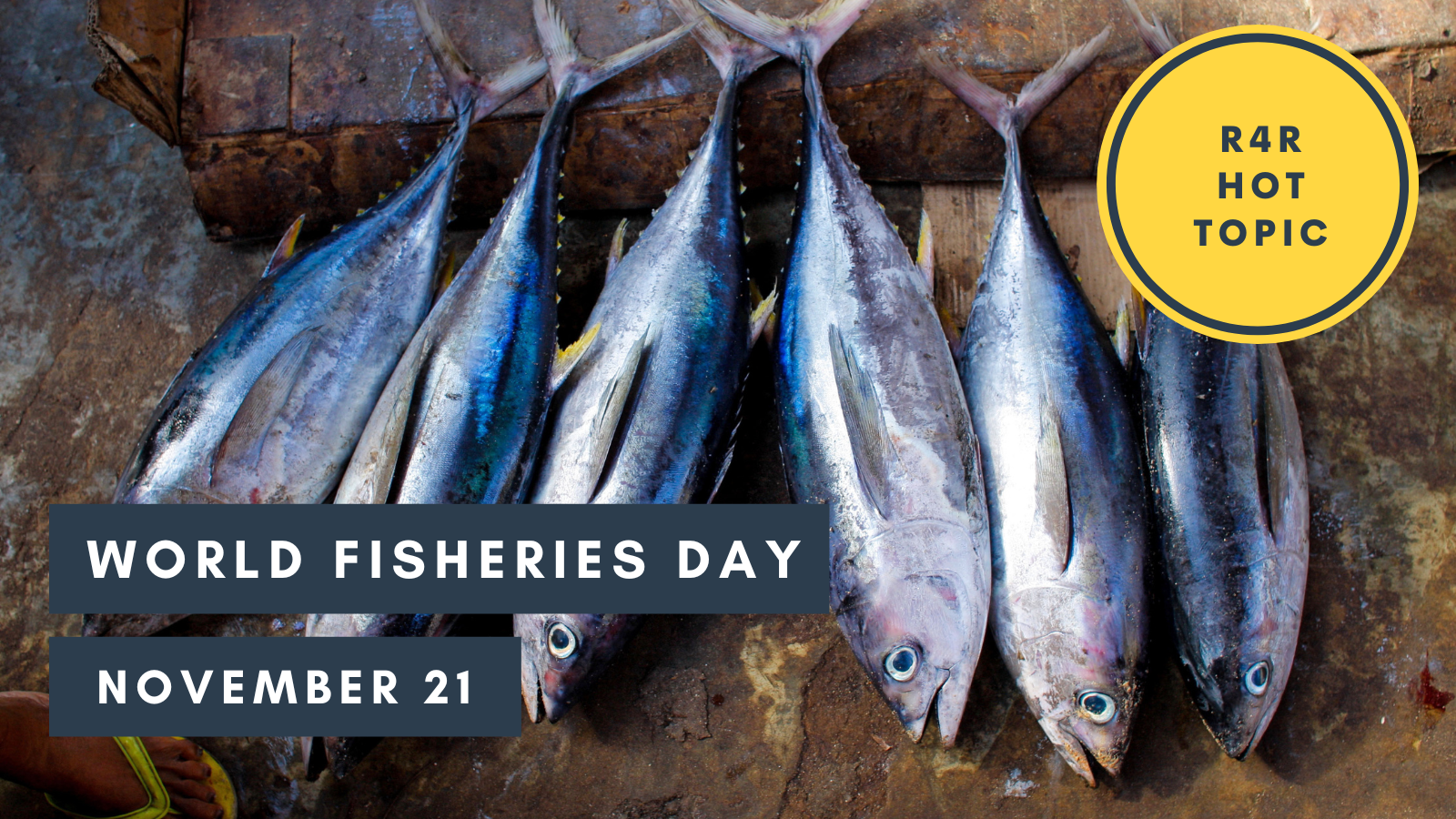
World Fisheries DayNovember 21 |
|
Buy Nothing DayNovember 23, 2012 |
|
COP 18: UN Climate Change ConferenceNovember 26 -
|
![]() |
World Wetlands DayFebruary 2 |
|
Word Day of Social JusticeFebruary 20 |
|
World Water DayMarch 22 |
|
Earth HourMarch 23, 2013 |
![]() |
Earth DayApril 22 |
|
International Day for Biological DiversityMay 22 |
![]() |
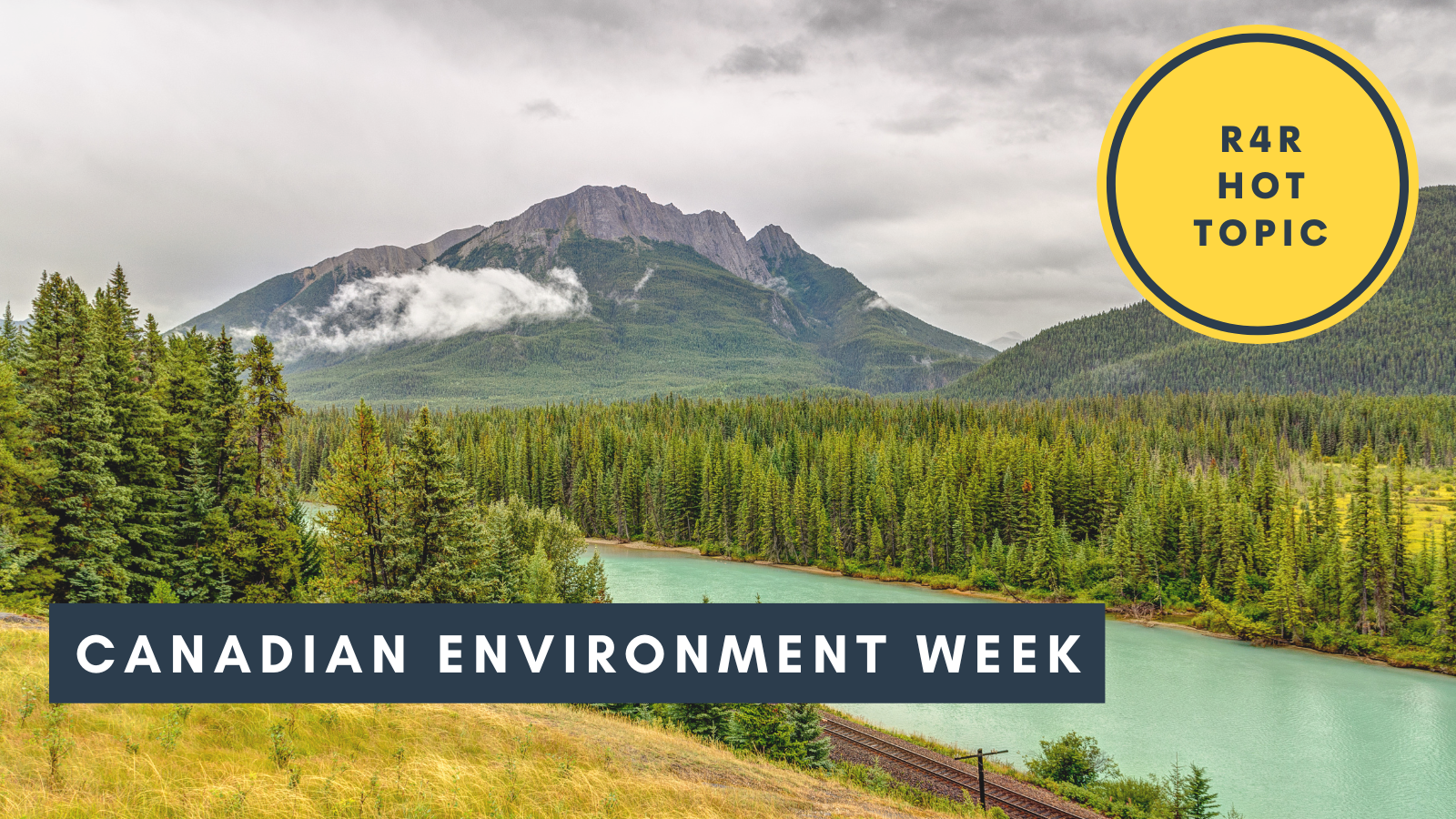
Canadian Enviroment WeekJune 2-8, 2013 |
![]() |
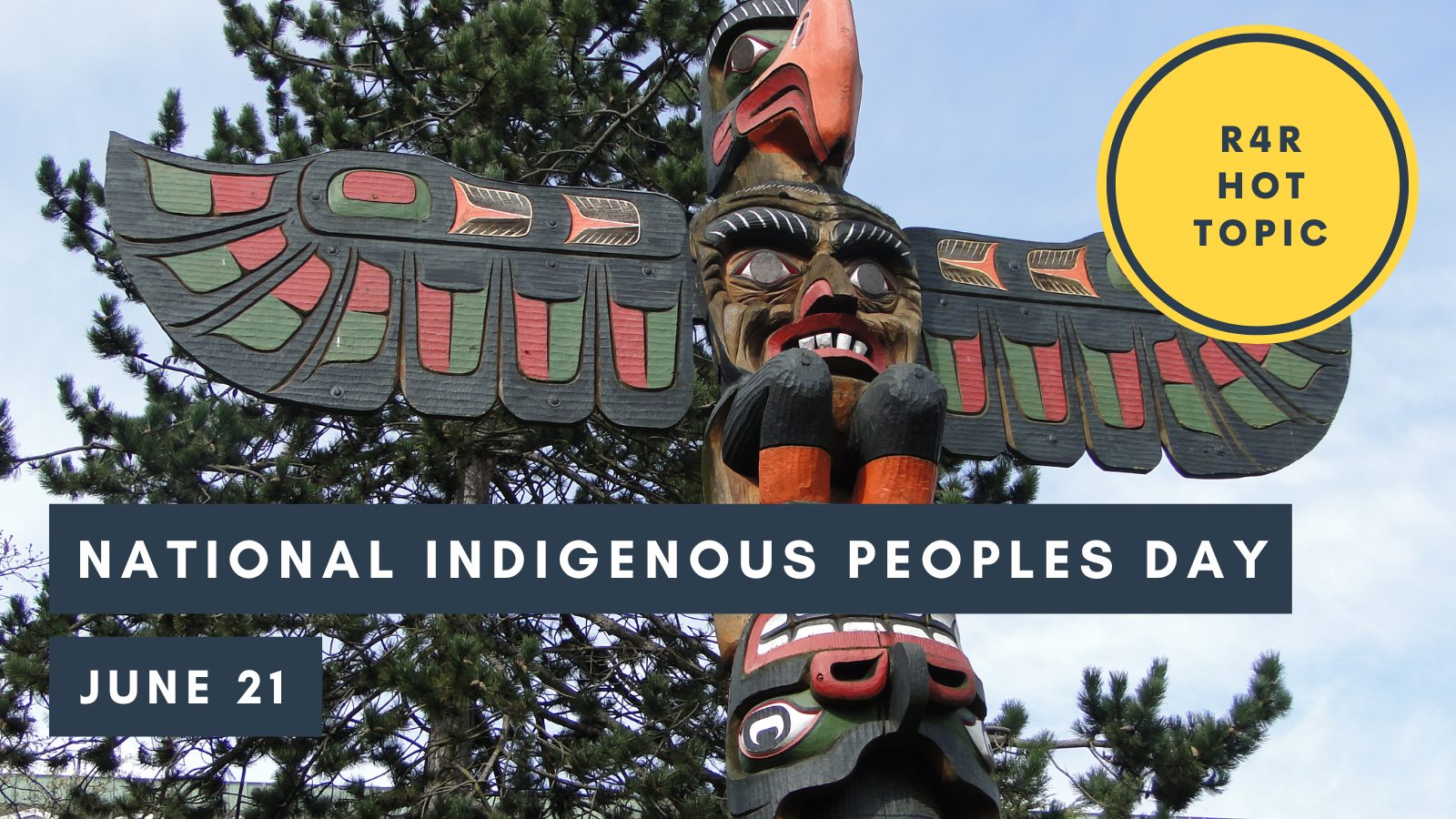
National Aboriginal DayJune 21, 2013 |
![]() |
World Environment Day was established by the United Nations in 1972 to encourage
global action on behalf of the environment. A primary objective of this event is to personalize environmental issues and help people realize not only their responsibility, but also their power to become agents for change in support of sustainable and equitable development. Canadian Environment Week is held annually during the first week of June to coincide with World Environment Day (June 5) . In addition to marking World Environment Day, this week-long celebration includes Clean Air Day (June 5) and World Oceans Day (June 8). In keeping with the UN's designation of 2013 as the 'International Year of Water Cooperation', the theme of Canadian Environment Week is Water: Working Together.
Canadian Environment Week provides many wonderful opportunities for teachers and students to investigate a range of important environmental issues and bring about positive changes within their own communities.
Why Participate in Canadian Environment Week?
Resources 4 Rethinking encourages students and teachers to participate in the Canadian Environment Week. Top R4R Picks will connect you to some excellent resources to support these efforts.
For more information and activities to support this special week, be sure to check:
National Aboriginal Day was first proclaimed in 1996 by then Governor General Romeo LeBlanc to honour the unique heritage and outstanding contributions of Canada’s Aboriginal peoples. In consultation with First Nations, Inuit and Métis organizations, June 21 was selected because of the significance of the summer solstice in Aboriginal culture and tradition. June 21st marks the official start of Celebrate Canada which in addition to National Aboriginal Day, includes Saint-Jean-Baptiste Day (June 24), Canadian Multiculturalism Day (June 27) and Canada Day (July 1).
National Aboriginal Day provides all Canadians with an excellent opportunity to celebrate Aboriginal culture and to learn more about the many achievements of First Nations, Métis and Inuit in fields as diverse as agriculture, the environment, business and the arts.
Resources 4 Rethinking encourages students and teachers to participate in National Aboriginal Day. Top R4R Picks will connect you to some excellent resources for exploring Aboriginal perspectives on a number of themes and issues related to sustainable development.
Featured Resource:
LSF is pleased to recommend its newest resource, "Protecting Our Sacred Water". Produced in partnership with the Jane Goodall Institute, this guide helps teachers bring FNMI knowledge and culture into their classrooms and provides ways to incorporate traditional FNMI knowledge into the implementation of a water action project
For more information on this day, please visit the Aboriginal Affairs website.